3045 Monsarrat Avenue
Suite 7
Honolulu, HI 96815

Monday
7:00 am - 7:00 pm
Tuesday
7:00 am - 7:00 pm
Wednesday
7:00 am - 7:00 pm
Thursday
7:00 am - 7:00 pm
Friday
7:00 am - 7:00 pm
Saturday
8:00 am - 5:00 pm
Sunday
8:00 am - 5:00 pm

Ceramic Crowns

At the office of Diamond Head Dental Care, our approach to restorative dentistry balances modern materials with practical, patient-centered care. Ceramic crowns are one of the most reliable ways to restore a tooth that has been weakened by decay, injury, or prior dental work while preserving a natural appearance.

We focus on clear explanations and thoughtful planning so patients understand why a crown may be the best option for their smile. Our team blends clinical experience with up-to-date materials and digital technologies to deliver restorations that look and function like real teeth.

When to consider a ceramic crown for long-term tooth protection

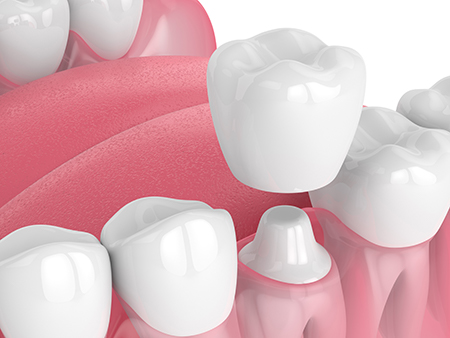
Ceramic crowns are full-coverage restorations designed to encase the visible portion of a tooth. Dentists often recommend them when a tooth has lost significant structure and a routine filling would not provide adequate strength or longevity. Common triggers include large cavities, fractures, or extensive wear from grinding.

Another typical indication is after root canal therapy. A tooth that has been root-canal treated can become more brittle and prone to fracture; a well-fitted ceramic crown helps restore structural integrity and protects the tooth from future damage. Crowns also serve as the cosmetic capstone when a tooth is discolored, misshapen, or no longer in harmony with surrounding teeth.

Beyond individual tooth concerns, crowns play an essential role in larger restorative plans. They can anchor bridges, top dental implants, and correct bite relationships to distribute chewing forces more evenly. Your dentist will evaluate factors such as remaining tooth structure, bite dynamics, and aesthetic priorities before recommending a crown.

How ceramic crowns combine strength and natural esthetics

All-ceramic crowns are crafted from modern dental porcelains and high-performance ceramic blocks that mimic the way natural teeth interact with light. This translucency produces a lifelike appearance that is especially important for front teeth and any restoration that will be visible when you smile.

Contemporary ceramics have improved dramatically in strength compared with older porcelain-only options. Materials such as lithium disilicate and advanced zirconia offer a balance of toughness and beauty, making them suitable for many locations in the mouth. The right laboratory technique and precise milling contribute to a durable restoration that resists chipping and staining.

Because ceramic crowns are metal-free, they avoid the dark gumline shadow sometimes seen with older crown designs. They are also compatible with soft tissues and reduce the risk of aesthetic compromise as gums recede over time. For patients with metal sensitivities, a ceramic crown can be an excellent biocompatible alternative.

A dental hygienist is smiling at a patient with a dental device, both wearing face masks and gloves, in an indoor setting.

Choosing the right ceramic material for each tooth

Not all ceramic crowns are the same; material selection depends on the tooth’s position, the forces it will endure, and the desired optical properties. For teeth that bear heavy chewing loads, block ceramic options or robust zirconia may be favored. For front teeth, high-translucency ceramics can better reproduce subtle color variations and surface sheen.

Lithium disilicate is widely valued for its blend of strength and esthetics, while monolithic zirconia provides exceptional durability when strength is the primary concern. High-translucent zirconia and pressable porcelains are other choices that allow technicians to fine-tune how a crown reflects and refracts light to match neighboring teeth.

Your dentist will discuss these options and recommend a material that aligns with your functional needs and cosmetic goals. They will also consider how much tooth reduction is necessary for each material and whether additional procedures—such as core buildup or post placement—are needed to support a long-lasting restoration.

The image displays a close-up photograph of artificial teeth with a pink gumline and toothpaste, arranged neatly together against a white background.

What to expect during crown treatment and the care that follows

Crown treatment typically begins with an evaluation and treatment plan, followed by careful preparation of the tooth. Prepared teeth are shaped to create space for the crown, impressions or digital scans are taken, and a temporary restoration may be placed while the permanent crown is fabricated.

Advances in digital dentistry often shorten turnaround times and improve accuracy. Many practices use CAD/CAM milling or secure laboratory workflows to ensure a precise fit and comfortable bite. When the custom crown is ready, your dentist checks fit, color, and occlusion before permanently cementing the restoration in place.

After placement, attentive oral hygiene and routine dental visits help protect your investment. Ceramic crowns do not decay, but the tooth beneath can still be affected by cavities at the margin if plaque accumulates. Patients should maintain regular cleanings and seek care promptly if they notice sensitivity, looseness, or changes in bite.

The image shows a family of four sitting on a couch, with a man holding a child and smiling at the camera, while another adult and a young child also look towards the camera. They appear to be enjoying a moment together in a cozy indoor setting.

Why many patients choose Diamond Head Dental Care for restorative work

Our practice emphasizes thoughtful treatment planning and communication. When a ceramic crown is recommended, we take time to explain the reasons behind the choice, review material options, and walk patients through every step so they feel informed and comfortable with the plan.

We combine clinical experience with contemporary materials and techniques to deliver outcomes that meet both functional and cosmetic expectations. From precise tooth preparation to careful shade selection and final adjustments, our team aims to produce a restoration that blends seamlessly and performs reliably.

Whether you are restoring a single tooth or coordinating crowns as part of a broader restorative plan, you can expect personalized care that respects your goals and dental health. If you have questions about ceramic crowns or want to explore whether they are right for you, our staff will help you understand the options and next steps.

For more information about ceramic crowns and how they may fit into your treatment plan, please contact us to speak with a member of our team.

Frequently Asked Questions

How does a crown differ from a filling?

+

While a dental filling is designed to replace a portion of a decayed or damaged tooth, a dental crown offers full coverage to restore the tooth’s entire outer surface. A well-fitting dental crown not only protects and strengthens the underlying tooth structure, but it also restores the tooth’s appearance and function.

What's the procedure for getting an all-ceramic crown?

+

The procedure for getting an all-ceramic crown is much like the procedure for getting any other type of crown. In all cases, the tooth needs to be prepared, an impression taken, and a permanent crown cemented into place. A single all-ceramic crown can typically be fabricated over the course of two visits. However, with CAD/CAM technology, a same-day crown can be fabricated from start to finish in a single visit. With the first approach, a temporary crown is typically worn until the second visit, when the permanent restoration is placed. As with every treatment plan, our office will explain your best options in care.

What's the difference between a temporary crown and a permanent crown?

+

As the name implies, a temporary crown is only worn for a short time until the permanent crown is placed. A temporary crown is typically fabricated from durable tooth-colored dental acrylics. While designed to protect the underlying tooth between appointments, and until your new permanent crown gets placed, a temporary crown is also fabricated to look like a natural tooth and maintain the look of your smile.

Will my tooth feel any different?

+

While you should feel better having an attractive and functional tooth to restore your smile, your tooth may feel a little sensitive following treatment. This initial sensitivity will subside. We take great care to make sure your new restoration looks great, fits well, and your bite is perfect. However, we’re always happy to make any minor adjustments to ensure your comfort.

Does a tooth that has had a root canal procedure need a crown?

+

With some exceptions, teeth with root canal procedures are typically restored and protected from further damage with a full-coverage crown. Based on what’s best for your smile, our office will recommend the most appropriate restoration to maintain the health and longevity of your tooth following a root canal procedure.

How do I take care of my new crown?

+

A dental crown is a long-term restoration that, if properly cared for, can serve you well for many years to come. Once your new crown is placed, it requires the same brushing, flossing, and periodic checkups as your natural teeth. Avoid biting your fingernails and chewing on hard or sticky objects such as ice, pencils, or taffy, which can damage or loosen your crown. Remember, clenching and grinding your teeth puts excessive pressure on both natural teeth and dental restorations. Unless treated, this habit can compromise the longevity and integrity of your dental work, including crowns.

Does a crown protect my tooth from cavities and gum disease?

+

Although your new all-ceramic crown restores the tooth's strength, form, and function, you can still develop dental disease in the absence of proper care. To prevent gum disease and tooth decay, it’s essential to brush and floss as instructed and see our office for routine checkups, cleanings, and care.

How long do all-ceramic crowns last?

+

How long a dental crown lasts depends on various factors, including your level of oral care, diet, and oral habits. While the standard answer is that dental crowns can last anywhere from 5 to 15 years, existing literature confirms that most dental crowns remain in place at 15 to 20 years.

How much do all-ceramic dental crowns cost?

+

At the office of Diamond Head Dental Care, we strive to provide the highest quality of care to address all your dental needs. Once we’ve had the opportunity to examine your smile, we can give you a clear picture of any dental issues that are present, along with a quote for how much treatment will be. The cost of dental crowns can vary a little, depending on the type of crown and its location. Our goals are to provide the highest quality of care and help patients begin treatment without additional financial stress or delay. We’re always happy to answer all your questions on dental insurance coverage, available financing, and payment plans.

Does dental insurance cover all-ceramic crowns?

+

Coverage for all-ceramic crowns depends on your dental insurance plan. Today, many dental plans provide some level of coverage for all-ceramic crowns. At the office of Diamond Head Dental Care, we work with patients to optimize their dental benefits and get the care they need to maintain healthy and beautiful smiles!

What is a ceramic crown?

+

Ceramic crowns are tooth-shaped restorations made entirely from porcelain or other ceramic materials that cover and protect a damaged or weakened tooth. They are custom fabricated to match the size, shape, and color of the surrounding teeth for a natural appearance. Ceramic crowns restore function and help maintain proper bite and chewing ability.

Ceramic materials range from traditional feldspathic porcelain to high-strength options such as lithium disilicate and zirconia, each chosen for specific strength and aesthetic needs. Because they contain no metal, ceramic crowns provide excellent translucency and color-matching for front teeth and highly visible areas. The choice of ceramic is guided by the tooth location, bite forces, and cosmetic goals determined during your dental evaluation.

How does a ceramic crown differ from a porcelain-fused-to-metal or gold crown?

+

Ceramic crowns are metal-free and prioritize natural translucency and color matching, while porcelain-fused-to-metal (PFM) crowns have a metal substructure that can show a dark margin over time. Gold and other metal crowns excel in durability and wear resistance but are not tooth-colored, so they are typically used in less visible posterior locations. Each material has trade-offs between aesthetics, strength, and suitability for specific clinical situations.

PFM crowns can be a good compromise when strength is a primary concern, but ceramics such as lithium disilicate or high-translucency zirconia have narrowed the gap by offering improved strength with superior esthetics. Your dentist will discuss material options and recommend the best choice based on the location of the tooth, opposing bite forces, and long-term restorative goals. Diagnostic imaging and a clinical exam help determine which crown type best meets functional and cosmetic needs.

Who is a good candidate for a ceramic crown?

+

Good candidates for ceramic crowns include patients with a large filling, a fractured tooth, a tooth weakened by decay, or a tooth that has undergone root canal therapy and requires additional protection. Ceramic crowns are also commonly selected for front teeth and other visible areas where matching natural tooth color is important. A candidate should have adequate remaining tooth structure or may require a post-and-core foundation to support the crown.

A thorough evaluation including a clinical exam, X-rays or CBCT when indicated, and discussion of medical and dental history helps determine candidacy. Patients with heavy nighttime grinding or very high bite forces may need material-specific planning or a protective nightguard to maximize longevity. Your dentist will outline alternatives if a crown is not the ideal option, including onlays, overlays, or implant-supported restorations when appropriate.

What does the ceramic crown procedure involve?

+

The procedure typically begins with a clinical exam, radiographs, and local anesthesia to ensure patient comfort while the tooth is prepared by removing a small amount of enamel and shaping the surface. An impression or a digital scan is taken to capture the prepared tooth and surrounding bite relationship, and a temporary crown may be placed while the laboratory fabricates the final restoration. At a follow-up appointment the final ceramic crown is tried in, adjusted for fit and occlusion, and permanently bonded or cemented.

Many practices now offer in-office CAD/CAM systems that allow same-day milling and placement of a ceramic crown, reducing the need for a temporary and a separate appointment. The office of Diamond Head Dental Care uses digital impressions and modern restorative workflows to streamline planning and improve fit. Post-placement instructions typically include avoiding hard or sticky foods for a short period and maintaining good oral hygiene to support long-term success.

How long does it take to get a ceramic crown?

+

The timeline for receiving a ceramic crown varies by workflow: traditional lab-fabricated crowns usually require two visits over one to three weeks, while chairside CAD/CAM systems can produce and place a crown in a single longer appointment. The first visit includes preparation and impressions or scans, and the second visit involves fitting and cementing the finished restoration. If a temporary crown is used, it will remain in place between visits to protect the prepared tooth.

Your treatment schedule may also depend on additional procedures such as root canal therapy, gum recontouring, or the need for a custom abutment when restoring an implant, which can extend overall time to completion. Clear communication with your dental team will ensure appropriate scheduling and a predictable treatment timeline. Follow-up visits may be scheduled to verify fit, function, and comfort after placement.

How long do ceramic crowns last and what factors affect their lifespan?

+

Ceramic crowns are durable restorations that can function well for many years when properly designed and maintained, but longevity depends on factors such as the crown material, the quality of the fit, oral hygiene, and the patient’s bite. Habitual forces like bruxism, chewing very hard objects, or trauma can shorten a crown’s service life, as can recurrent decay at the crown margin if oral hygiene is poor. Regular dental checkups allow early detection of problems that could jeopardize the restoration.

The skill of the clinician in tooth preparation and the precision of the laboratory or milling process also influence long-term success, as does periodontal health around the restored tooth. Using high-strength ceramic materials and addressing opposing tooth wear or misaligned occlusion can extend function. Your dentist will review personalized strategies to protect the crown, such as nightguards for grinding or targeted adjustments to your bite.

How should I care for my ceramic crown?

+

Patients who grind or clench their teeth should discuss protective options such as a custom nightguard to reduce the risk of fracture or wear. Avoiding habits like biting hard objects or opening packaging with your teeth reduces mechanical stress on the crown. Routine radiographs and clinical monitoring at hygiene appointments support early intervention when needed to preserve both the crown and the underlying tooth.

What risks or complications are associated with ceramic crowns?

+

As with any restorative treatment, ceramic crowns carry potential risks such as sensitivity after placement, marginal leakage leading to recurrent decay, chipping or fracture of the ceramic, and in some cases the need for root canal treatment if the tooth sustains significant insult during preparation. Allergic reactions to ceramic materials are extremely rare, but patients should disclose any material sensitivities or medical history relevant to dental care. Proper planning and precise fit reduce the likelihood of most complications.

If a crown fractures or the margin fails, conservative repair or full replacement may be required depending on the extent of damage. Your dentist will review expected risks during the consent process and explain how they monitor and manage complications when they arise. Timely professional care and good home hygiene are the best defenses against preventable problems.

Can a ceramic crown be attached to a dental implant?

+

Yes, ceramic crowns are commonly used as the visible restoration on dental implants and can be designed as either screw-retained or cement-retained restorations depending on clinical requirements. Implant-supported ceramic crowns use a custom abutment to connect the prosthetic tooth to the implant fixture and can provide excellent esthetics and function when accurately planned. Material selection and abutment design are coordinated to ensure strength, soft-tissue support, and a natural emergence profile.

Successful implant restoration with a ceramic crown requires careful collaboration between the surgeon, restorative dentist, and dental laboratory, and often relies on advanced imaging such as CBCT for precise implant placement. Proper occlusal design and maintenance around the implant site are essential to avoid complications and preserve both the implant and the crown. Routine follow-up and hygiene around the implant-supported crown help ensure long-term success.

Why choose Diamond Head Dental Care for ceramic crowns?

+

Diamond Head Dental Care offers a multispecialty team and modern restorative technology to plan and deliver ceramic crowns with attention to fit, function, and esthetics. The practice uses digital impressions, CAD/CAM workflows, and advanced imaging to streamline treatment planning and improve the accuracy of final restorations. Patients benefit from coordinated care when additional services such as endodontics, implant placement, or periodontal therapy are needed as part of a comprehensive treatment plan.

Our office emphasizes patient comfort and clear communication throughout the process, from the initial evaluation to final placement and follow-up. We schedule care with consideration for your needs and utilize contemporary protocols to minimize chair time and optimize outcomes. If you are considering a ceramic crown, a consultation will outline the recommended approach and the sequence of care tailored to your oral health goals.

We Insurance! All PPO Dental Insurance Plans ACCEPTED!