3045 Monsarrat Avenue
Suite 7
Honolulu, HI 96815

Monday
7:00 am - 7:00 pm
Tuesday
7:00 am - 7:00 pm
Wednesday
7:00 am - 7:00 pm
Thursday
7:00 am - 7:00 pm
Friday
7:00 am - 7:00 pm
Saturday
8:00 am - 5:00 pm
Sunday
8:00 am - 5:00 pm

Pediatric Dentistry

At the office of Diamond Head Dental Care, children's oral health is treated with the same careful attention we give to adult care — only delivered with a lighter touch and a lot more patience. Our goal is to help young patients build lifelong habits that protect their smiles while making dental visits comfortable and constructive. We combine gentle clinical technique with age-appropriate education so families leave each visit feeling informed and confident.

The image shows a young girl with a toothbrush in her mouth, smiling at the camera, holding a cupcake with a bite taken out of it.

Creating Healthy Habits from the Very First Tooth

Good oral health begins long before a child’s permanent teeth arrive. Parents and caregivers set the tone for daily routines by modeling brushing and offering nutritious foods. Establishing consistent oral care early — simple actions such as wiping gums after feedings, using an age-appropriate brush, and introducing fluoride toothpaste when recommended — reduces the risk of decay and builds familiarity with oral hygiene.

We emphasize practical strategies that fit into family life. Rather than prescribing complicated regimens, we show caregivers how to make toothbrushing a predictable, even enjoyable, part of the day. Small incentives, songs, or short timers can turn a chore into a moment children look forward to. Over time, these small wins translate into stronger teeth and fewer dental surprises.

Preventive measures such as fluoride varnish applications and the judicious use of dental sealants play an important role as children grow. These treatments are quick, gentle, and effective at reducing cavities on the hard-to-reach chewing surfaces of back teeth. Our team explains the purpose of each preventive option so parents can make informed choices tailored to their child’s needs.

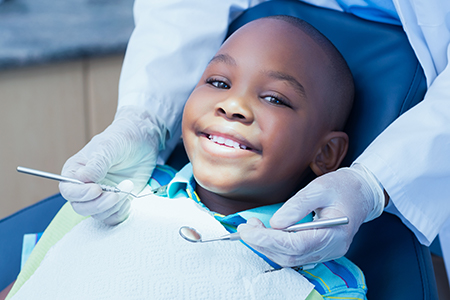
The image shows a young boy sitting in a dental chair with a broad smile, receiving dental care from a dentist who appears to be adjusting his mouthguard.

Inside a Pediatric Checkup: What We Monitor and Why

Routine visits are more than a quick look around the mouth — they are an opportunity to monitor growth, function, and overall health. During an exam we review medical history, look for signs of tooth decay, assess gum health, and observe how the jaws and bite are developing. For infants and toddlers, the visit often focuses on building comfort with the dental environment and teaching parents simple home-care techniques.

Dental cleanings remove plaque and tartar that normal brushing can miss, and they give us a chance to point out areas that need extra attention at home. We use modern, child-friendly tools and techniques to keep cleanings short and comfortable. When needed, digital radiographs provide a safe, low-dose view beneath the surface so we can detect early decay, monitor tooth eruption, or identify developing concerns.

Every checkup includes education tailored to the child’s stage of development. We discuss teething milestones, effective brushing and flossing techniques for small hands, and when to transition to independent brushing. These conversations help families leave each visit with a clear plan for maintaining progress between appointments.

How Imaging and Exams Protect a Growing Smile

When indicated, digital X-rays allow us to see problems that are not visible to the naked eye — such as cavities between teeth, infections at the root, or developmental issues with tooth positioning. We only take images as necessary and use equipment designed to minimize exposure. The information gained is invaluable for making timely, conservative treatment choices that protect the long-term health of a child’s mouth.

Practical Strategies to Prevent Cavities and Protect Enamel

Tooth decay remains one of the most common chronic conditions in childhood, but it is largely preventable. Regular brushing with fluoride toothpaste, limiting sugary snacks and drinks, and avoiding prolonged bottle use at bedtime are straightforward actions that make a measurable difference. We work with families to identify small changes — for example, swapping sugary beverages for water — that yield big benefits over time.

Dental sealants are an effective, painless barrier applied to the chewing surfaces of molars to block bacteria and food particles that cause decay. They are particularly useful once a child’s permanent molars erupt, and they can significantly reduce the likelihood of cavities in those deep grooves. Fluoride treatments, applied periodically in the office, add another layer of protection by strengthening enamel.

Habits such as thumb or pacifier sucking can influence the alignment of teeth if they persist past early childhood. Our team offers gentle, age-appropriate guidance on how to help children give up these habits when the time is right, and we monitor any dental effects so that interventions are considered only when necessary.

Home Routines That Make a Real Difference

Consistency matters more than perfection. Short, daily routines supported by clear expectations typically outperform sporadic, intensive efforts. We provide families with practical tips—how to supervise brushing for younger children, when to introduce flossing, and ways to reduce hidden sugar in snacks—to reduce confusion and make good habits stick.

Infant and Toddler Care: Gentle Guidance for Early Development

From the first eruption of a baby tooth through the toddler years, dental care emphasizes comfort, prevention, and education. Parents are encouraged to bring infants for an early visit so the child becomes familiar with the office and caregivers. These early introductions help remove fear, allow for timely guidance on feeding practices, and enable the team to identify any early concerns.

Teething can be a challenging phase for families; simple measures such as chilled teething rings, gentle gum massage, or a cool washcloth can ease discomfort. We also advise on safe feeding practices to reduce prolonged exposure to sugars and bacteria — a key factor in preventing early childhood decay.

As children transition to solid foods and start school, dental visits evolve to include more detailed oral hygiene instruction, development checks, and discussions about fluoride, sealants, and protective gear for sports. Early visits set the foundation for cooperative behavior and reduce anxiety around future treatments.

A woman holding a baby with a joyful expression while looking at the camera.

Supporting Older Children and Teens: Growth, Nutrition, and Protection

School-age children and teens face unique challenges: changing diets, orthodontic appliances, contact sports, and shifting responsibilities for self-care. During these years we focus on monitoring jaw growth and tooth alignment, advising on nutrition that supports dental and general health, and helping teens understand the oral-care choices that matter most as independence increases.

If orthodontics becomes a consideration, early evaluation helps identify the best timing for intervention. We track facial growth and tooth development and coordinate care when braces or other treatments are recommended. Meanwhile, we provide practical advice for maintaining oral hygiene around brackets and wires, and for choosing the right protective mouthguard for athletic activities.

Injuries and emergencies can happen despite the best precautions. Our team is prepared to evaluate dental trauma, painful infections, and other urgent concerns with calm, effective care. Quick attention can often preserve injured teeth or prevent complications, so parents should seek professional assessment when accidents occur.

Nutrition and Lifestyle: Fueling a Healthy Smile

A balanced diet supports both a child’s overall development and the strength of teeth and gums. Foods rich in calcium, phosphorus, and vitamins A and D support enamel and bone health. Minimizing sticky, sugary snacks and encouraging water between meals reduces the time teeth are exposed to decay-causing acids and bacteria.

In summary, pediatric dental care is a partnership between families and clinicians focused on prevention, education, and timely treatment. By building healthy routines early, attending regular checkups, and responding promptly to problems, parents can help their children maintain strong, confident smiles. For more information about pediatric services or to discuss your child’s needs, please contact our office to speak with our team.

Frequently Asked Questions

What is a pedodontist?

+

A pedodontist is a dentist who has received advanced specialty training in meeting the dental needs of children from infancy to adolescence. Pedodontists, also referred to as "pediatric dentists," study child psychology, behavior management, caring for children with special needs, methods of handling oral/facial trauma, and various techniques for providing anesthesia and sedation. Pedodontists also understand the complexities of facial growth and development and have the clinical skills required to meet the dental needs of all children at every stage of development. Most of all, pedodontists are passionate about what they do and enjoy working with children. They strive to make every dental experience a positive one as they help children establish a strong foundation for good oral health.

When should my child see the pedodontist?

+

Even before your child is born, their first set of teeth is already forming. In fact, by one year of age, some of your baby's front teeth will have already come into place. While the arrival of your baby's first teeth is only one of many developmental milestones, it represents an excellent time to begin a program of oral care. According to recommendations from the American Dental Association, babies should see the dentist around the time of their first birthdays.

When will my baby's first tooth appear?

+

Your baby's first teeth typically begin to appear in the 6 to 12-month range. While this is an extraordinary milestone, you need to be aware that your baby may find the experience a little bit uncomfortable. Teething can make babies feel irritable. They may be fussy, have trouble sleeping, not want to eat, and drool quite a bit.

Although you are powerless to speed up the process of teething, there are a few things that you can do to soothe your baby as the new teeth are erupting into place. Common approaches to helping your baby feel more comfortable while getting new teeth, include teething rings or a cold spoon or moist gauze rubbed over their gums.

Even for these few new teeth, it's absolutely essential to establish an effective regimen of oral care. For information on when your baby's first set of teeth will erupt into place, consult this timeline from the American Dental Association: Eruption Charts

My child is starting kindergarten and is still sucking their thumb. Will this habit affect their new teeth?

+

Some children persist in sucking their thumbs or fingers beyond their preschool years. For these children, the activity continues to be a source of comfort, relaxation, and security. It may even help them fall asleep at night. However, it's essential to be aware that in the long-term, a finger sucking habit is not healthy.

If your child's thumb or finger sucking habit is still present when the permanent teeth begin to come in, your child is at a higher risk of developing a bad bite. By the age of five or six years, you need to constructively and gently help your child stop the habit.

It's also a good idea to have a comprehensive evaluation at this time. Your pedodontist can assess if there are any habit related alterations to the alignment of your child's teeth or jaws, or if it is affecting their speech or swallowing patterns. They can also discuss habit control strategies with you, as well as follow your child's bite and facial development as they grow. If interceptive appliances or corrective orthodontic care are recommended, the timetable and best options in care will be explained in complete detail.

When should my child first visit the dentist?

+

Children should have their first dental visit by the time their first tooth appears or by their first birthday, whichever comes first. Early visits establish a dental home, allow the team to check development, and give parents guidance on feeding and home care. Introducing the office environment at a young age helps normalize care and reduces fear of future visits.

At Diamond Head Dental Care we encourage early appointments so infants and caregivers can become comfortable with routine oral health checks. These visits focus on prevention and education rather than treatment, and they give clinicians a chance to spot early concerns that are easier to manage when detected promptly. Regular follow-up visits create continuity and help families build consistent habits that protect growing smiles.

What happens during a pediatric dental checkup?

+

A pediatric checkup includes a review of medical history, an examination of the teeth and gums, and an assessment of how the jaws and bite are developing. The clinician looks for signs of decay, checks for oral infections, and monitors eruption patterns to identify any early issues. For very young children the appointment often emphasizes comfort and helps parents learn simple home-care techniques.

Dental cleanings remove plaque and tartar that brushing alone can miss and are performed with child-friendly tools to keep visits short and comfortable. When necessary, the practice uses digital radiographs that provide a low-dose, detailed view to detect hidden decay or developmental concerns. Every visit also includes age-appropriate education so families leave with clear, practical steps to maintain oral health between appointments.

How do fluoride varnish and dental sealants help prevent cavities?

+

Fluoride varnish is a quick, safe treatment applied in the office that strengthens enamel and makes teeth more resistant to decay. It is especially helpful for young children whose enamel is still developing and for those at higher risk of cavities. Applications are painless and designed to be a preventive layer of protection between regular brushing and fluoride in drinking water.

Dental sealants are thin coatings placed on the chewing surfaces of molars to block grooves where food and bacteria collect. Sealants are most effective once a child’s permanent molars erupt and can significantly reduce the likelihood of cavities in those deep pits. Together with regular brushing and dietary habits, fluoride and sealants form a layered prevention strategy that reduces treatment needs over time.

How can I help my child overcome dental anxiety?

+

Helping a child manage dental anxiety starts with preparation and a calm, positive approach from caregivers. Simple techniques—such as playing dentist at home, reading books about dental visits, and practicing breathing or counting—can make the clinical environment feel familiar. Scheduling a first visit early and keeping appointments short help build trust and reduce fear of the unknown.

Our team uses child-centered communication strategies like the tell-show-do method to explain steps before they happen and to demonstrate equipment in a nonthreatening way. Praising cooperative behavior, offering small goals, and allowing a parent to stay close during procedures all support a child’s sense of safety. If a child needs extra support, the clinician will discuss additional behavior-management options that are appropriate for the child’s age and temperament.

Are dental X-rays safe for children?

+

Dental X-rays are a valuable diagnostic tool that let clinicians see areas not visible during a visual exam, such as cavities between teeth or issues with tooth development. Modern digital X-rays use very low radiation doses and advanced sensors that significantly reduce exposure compared with older systems. The dental team takes images only when necessary to answer specific clinical questions and to guide conservative treatment decisions.

Protective measures such as lead aprons and thyroid collars are used when appropriate to further limit exposure, and clinicians follow established guidelines for the timing and frequency of images. Parents are encouraged to ask about the reasons for any X-rays so they understand how the information will improve their child’s care. When images are needed, the goal is always to obtain the minimum amount required for safe, effective diagnosis and treatment planning.

When should my child stop using a pacifier or thumb sucking?

+

Many infants use pacifiers or suck their thumbs as natural soothing behaviors, and these habits are generally not a concern in very young children. Problems can arise if sucking persists beyond the early preschool years, when prolonged habits may affect tooth alignment and the shape of the palate. As a rule of thumb, clinicians begin monitoring more closely around age 3 to 4 and offer guidance to help children transition away from the habit.

Gentle, positive strategies—such as praise for progress, substitution with other soothing techniques, or limiting pacifier use to specific times—are effective for many families. If a habit continues and starts to influence dental development, the dentist can discuss behavioral approaches or refer to specialists for additional options. Early communication and consistent, supportive routines help most children give up these habits without distress.

What should I do if my child has a dental emergency?

+

In a dental emergency it is important to act promptly and stay calm; quick attention can often preserve teeth and prevent complications. For a knocked-out permanent tooth, handle the tooth by the crown, rinse it gently if dirty, and attempt to reinsert it if possible while seeking immediate professional care. For other injuries—such as fractured teeth, severe pain, or signs of infection—contact the dental office right away for an evaluation.

Diamond Head Dental Care offers extended hours and same-day emergency care to address urgent pediatric concerns with timely, skilled treatment. The team will assess the situation, recommend stabilizing measures, and arrange necessary follow-up to protect the child’s long-term oral health. When in doubt about injury severity, err on the side of prompt professional assessment to reduce the risk of lasting damage.

How does nutrition affect my child’s dental health?

+

A balanced diet supports both oral health and overall growth; nutrients such as calcium, phosphorus, and vitamins A and D contribute to strong enamel and healthy gums. Frequent exposure to sugary or sticky foods increases the time teeth are bathed in decay-causing acids, so limiting snacks and choosing water between meals helps reduce risk. Encouraging healthy, tooth-friendly snacks like fresh fruit, cheese, and crunchy vegetables supports enamel and salivary flow.

Parents can also reduce nighttime decay risk by avoiding prolonged bottle or sippy-cup use with milk or juice and by establishing a bedtime brushing routine. The dental team can review a child’s eating patterns during visits and offer practical, age-appropriate suggestions for minimizing cariogenic habits. Small, sustainable dietary changes often yield measurable benefits for a child’s teeth over time.

When should my child see an orthodontist for evaluation?

+

An orthodontic evaluation is recommended as early as age 7 to assess jaw growth, tooth eruption patterns, and potential alignment issues that benefit from early observation. Early screening allows clinicians to identify concerns—such as severe crowding, crossbites, or asymmetrical jaw growth—when interceptive measures may simplify later treatment. Not every child needs early treatment, but timely assessment helps determine the optimal timing for any necessary interventions.

If early signs indicate that orthodontic care may be beneficial, the pediatric dentist will coordinate referrals and work with specialists to develop a plan that fits the child’s developmental stage. In many cases routine monitoring is sufficient until the majority of permanent teeth erupt, while in other cases simple appliances or guidance can redirect growth favorably. Clear communication between the dental team, parents, and orthodontists ensures coordinated care and better long-term outcomes.

What at-home routines should families follow between pediatric visits?

+

Consistent daily habits are the foundation of pediatric oral health: brush twice a day with fluoride toothpaste in the age-appropriate amount and supervise brushing until a child demonstrates reliable technique, usually around ages 6 to 8. Introduce flossing when teeth begin to touch and make brushing a predictable, positive part of morning and bedtime routines. Limiting sugary drinks and between-meal snacking reduces the frequency of acid attacks on enamel and supports preventive efforts.

In addition to daily care, maintain regular dental checkups for professional cleanings, fluoride applications when indicated, and monitoring of growth and development. Use simple tools—timers, songs, or a brushing chart—to motivate children and reinforce consistency without pressure. The dental team will provide tailored guidance at visits to help families adapt routines as children grow and their needs change.

We Insurance! All PPO Dental Insurance Plans ACCEPTED!